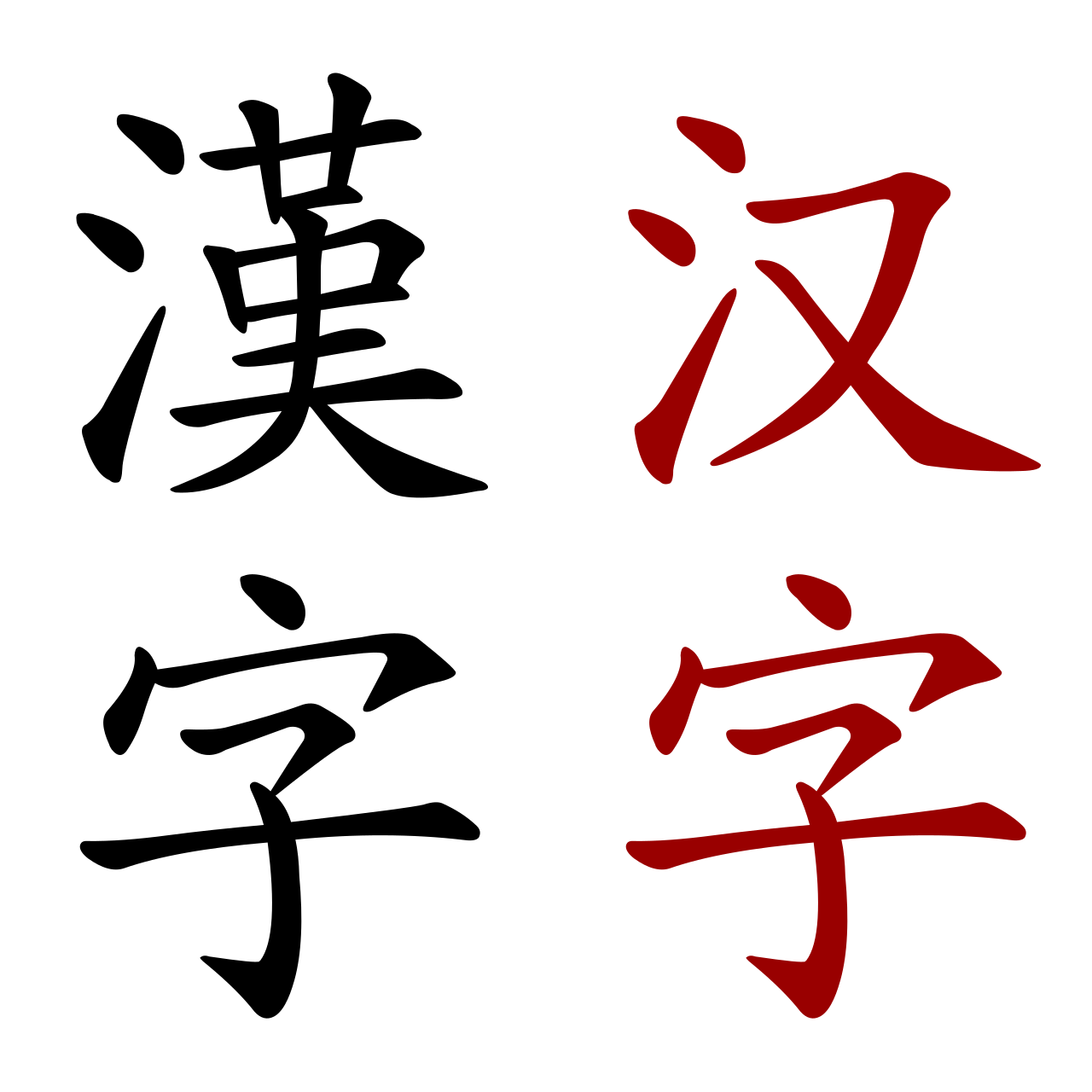
Decoding Hanzi: Exploring Traditional and Simplified Characters
The intricate world of Chinese writing, often referred to as Hanzi (汉字/漢字), is a fascinating journey through history, culture, and communication. Unlike alphabetic systems, this ancient script is logographic, meaning each character typically represents a word or concept rather than a sound. As the oldest continuously used writing system in the world, the enduring legacy of Hanzi Explained: The Oldest and Most Used Script Globally truly makes the Chinees Schrift a global marvel, influencing communication across East Asia and beyond. But the story of Hanzi isn't singular; it encompasses a vibrant duality: traditional and simplified characters, each with its own history and impact.
The Logographic Core of Chinees Schrift: More Than Just Sounds
At its heart, the Chinees Schrift operates on principles distinct from the alphabets or syllabaries familiar to many Western languages. Instead of combining letters to form sounds, or syllables to create words, Hanzi employs logograms. Each Hanzi character, or logogram, is a visual unit packed with meaning. While it carries a specific pronunciation, its primary function is to convey an idea or a word. This allows for a unique depth of expression, where visual aesthetics and semantic content are intrinsically linked.
Consider the character for "sun" (日). It visually represents the sun, and over millennia, its form has evolved from a more pictorial representation. This visual component is a significant part of understanding and memorizing characters. While a Chinese character does have a sound, which can sometimes be compared to a syllabic unit, its core identity is its meaning. This logographic nature is what has allowed written Chinese to transcend spoken dialects; speakers of different Chinese languages, who might not understand each other's spoken words, can often comprehend the same written text because the characters convey meaning universally.
With tens of thousands of characters in existence, though only a fraction are in common use today, the learning curve for Hanzi can seem steep. However, understanding that characters are often built from simpler components called radicals, which provide clues to meaning and sometimes sound, can demystify the process. These radicals act as building blocks, combining to form more complex characters and allowing for a systematic approach to what might otherwise appear as an overwhelming array of unique symbols.
Traditional vs. Simplified: A Tale of Two Systems
One of the most significant developments in the history of the Chinees Schrift is the emergence of two primary character sets: traditional and simplified. This division isn't merely stylistic; it represents a major linguistic and cultural shift with ongoing implications.
The Roots of Simplification
Traditional Chinese characters (漢字) are the original forms, developed over millennia. They are often more complex, with a greater number of strokes per character. These characters are deeply ingrained in historical texts, classical literature, and calligraphy. They reflect centuries of evolution, where characters often carried more pictographic or ideographic detail.
The simplified Chinese characters (汉字) were introduced in mainland China by the People's Republic of China government in the 1950s and 60s. The primary motivation behind this massive reform was to increase literacy rates across the country. By reducing the number of strokes in many common characters, the government aimed to make learning and writing Chinese easier and faster for the general population. For example, the traditional character for "dragon" is 龍, while its simplified form is 龙. This reduction in complexity was a monumental effort to modernize and standardize the written language.
Where Each System Reigns Today
- Simplified Chinese: Predominantly used in mainland China, Singapore, and Malaysia. It is the standard for government, education, and media in these regions.
- Traditional Chinese: Remains in use in Taiwan, Hong Kong, and Macau. Many overseas Chinese communities also prefer traditional characters, particularly older generations, preserving a connection to historical and cultural roots.
For learners, deciding which set to focus on often depends on their specific goals—whether they plan to interact with mainland Chinese culture or Taiwanese culture, for example. Many resources exist for learning both, and with dedicated study, understanding the other set is certainly achievable, as many simplified characters retain some visual cues from their traditional counterparts, and vice versa.
Beyond Chinese Borders: The Global Reach of Hanzi
The influence of the Chinees Schrift extends far beyond the borders of China, forming a crucial component of other East Asian writing systems and leaving an indelible mark on their cultures and languages. This historical spread is a testament to the script's robustness and adaptability.
Kanji in Japan: A Shared Heritage
Perhaps the most prominent example of Hanzi's international reach is its adoption in Japan, where Chinese characters are known as Chinese Characters to Kanji: Understanding East Asian Writing. Imported over centuries, Kanji forms one of the three core components of the Japanese writing system, alongside the phonetic syllabaries Hiragana and Katakana. While many Kanji retain their original Chinese meanings, their pronunciations in Japanese often differ significantly, having evolved to fit the Japanese language's phonology. Additionally, some Kanji have undergone modifications or developed unique meanings in Japan.
This integration showcases the versatility of Chinese characters. Despite originating in a different linguistic context, Kanji became an indispensable tool for writing Japanese, enabling the transcription of concepts and words that enriched the Japanese lexicon. For learners of both Chinese and Japanese, understanding this shared heritage can be incredibly beneficial, as recognizing a Kanji often provides an immediate clue to its meaning, even if the pronunciation is different.
Historical Influence Across the Sinosphaere
Beyond Japan, Chinese characters historically played a significant role in the writing systems of Korea and Vietnam. Both countries extensively used Chinese characters for centuries, albeit with their own adaptations and pronunciations. In Korea, Chinese characters are known as Hanja, and while they are not used for everyday writing anymore (replaced by the phonetic Hangul), they remain important for classical scholarship, disambiguation of homonyms, and traditional arts. Similarly, Vietnam historically used Chữ Nôm, a script based on Chinese characters, before the adoption of the Latin-based Quốc Ngữ alphabet.
This widespread historical adoption across the Sinosphaere underscores the status of Chinees Schrift as a fundamental cultural and intellectual foundation for much of East Asia. Its presence allowed for the transmission of ideas, philosophies, and administrative practices across diverse linguistic landscapes, shaping the region's shared heritage.
Mastering Hanzi: Tips for the Aspiring Learner
Embarking on the journey to learn Hanzi, whether traditional or simplified, is a rewarding endeavor. While it may seem daunting at first, a structured approach can make the process engaging and effective.
- Start with Radicals: Familiarize yourself with the 214 traditional radicals (or fewer for simplified systems). These are the building blocks of characters and often provide a clue to a character's meaning or category. Understanding radicals helps in breaking down complex characters and using dictionaries.
- Learn Stroke Order: Correct stroke order is crucial. It ensures readability, aids in memory retention, and is essential for good handwriting. Consistency in stroke order also helps with character recognition software and contributes to the aesthetic balance of the character.
- Focus on High-Frequency Characters First: Don't try to memorize all tens of thousands of characters at once. Begin with the most common ones (e.g., the HSK levels provide a good framework). Learning even a few hundred characters will enable you to read simple texts and build a foundational vocabulary.
- Practice Writing and Reading Daily: Consistent exposure is key. Use flashcards, writing apps, and digital dictionaries. Try to incorporate both writing practice (physical or digital) and reading practice (news articles, simple stories) into your daily routine.
- Utilize Context: Characters rarely appear in isolation. Pay attention to how characters combine to form words and phrases. Understanding the context often clarifies the nuances of individual character meanings.
- Embrace Technology: Modern apps and online dictionaries (like Pleco for mobile) are invaluable tools for looking up characters by drawing, radical, or pinyin. They can also help with flashcard creation and pronunciation practice.
- Appreciate the Art: Delve into the aesthetics of Chinese calligraphy. Understanding the balance, flow, and historical significance of characters can deepen your appreciation and make the learning process more enjoyable.
Conclusion
The Chinees Schrift, or Hanzi, is much more than just a writing system; it is a living bridge to an ancient past and a dynamic tool for modern communication. From its continuous evolution over millennia to the modern distinction between traditional and simplified characters, and its profound influence on East Asian cultures, Hanzi stands as a testament to human ingenuity. Whether you're drawn to its historical depth, its artistic beauty, or its practical utility in a globalized world, exploring the intricacies of Chinese characters offers a unique window into one of the world's richest linguistic and cultural traditions.